Automotive window tint is one of the most popular upgrades Hampton Roads drivers invest in — more privacy, a cooler cabin, and real protection from the sun. But not all tint jobs stay looking good. Bubbling, peeling edges, a hazy film, or windows fading to an ugly purple hue are all signs that something went wrong. The good news: almost every one of these failures is preventable once you know what causes them.
Below, the Skyline Tinting team breaks down the five most common reasons window tint fails — and what we do differently on every install to make sure your film performs for years, not months.

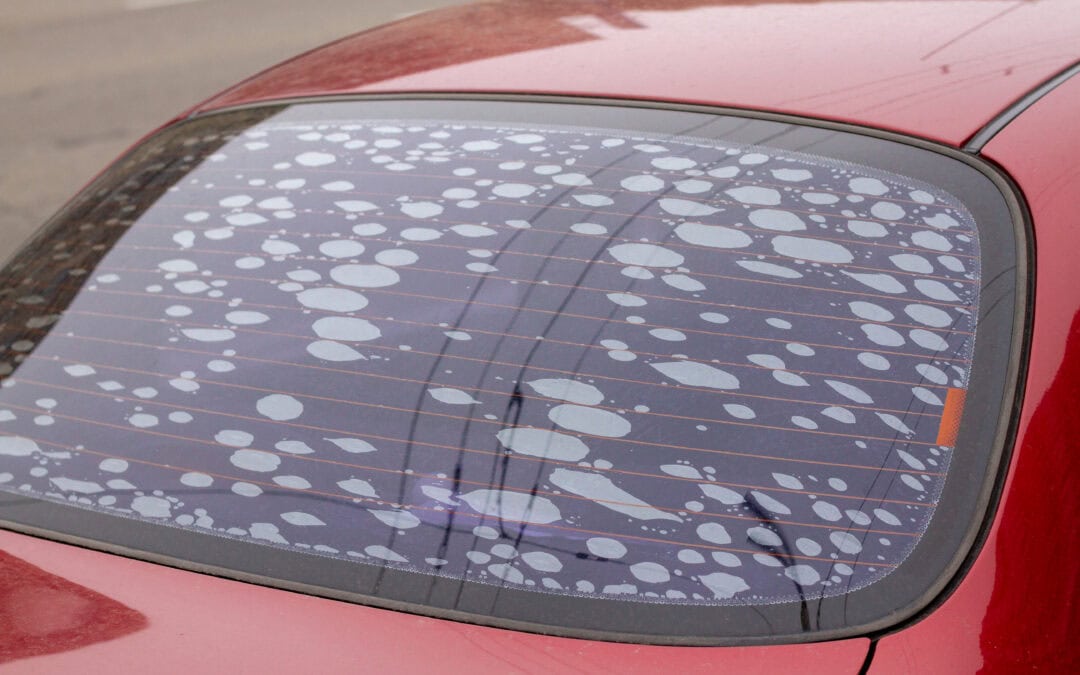
Cracking and crazing like this is typical of aging or heat-damaged film — a sign it’s time for a replacement.
5 Reasons Window Tint Fails
1
Low-quality film
2
Poor installation
3
UV & heat exposure
4
Harsh cleaners
5
Age & natural wear
1. Low-Quality Window Film
Not all tint is created equal. Bargain-bin dyed films skip the UV stabilizers and heat-resistant adhesives that keep professional-grade film stable, so they’re the films most likely to bubble, peel, or turn purple. If a quote sounds too cheap for the shade you’re after, it usually is — the savings come out of the film itself.
“Cheap film isn’t a discount — it’s a delayed cost. You end up paying for the redo, plus the labor to strip the old film off first.” — Skyline Tinting
This is why Skyline Tinting only installs 3M™ Automotive Window Film products. As a 3M Authorized Window Film Dealer, we carry the Crystalline, Ceramic IR, and Obsidian series — films engineered specifically to resist cracking, crazing, and purple fade for as long as you own the vehicle.
2. Poor Installation Practices
Even premium film fails fast in the wrong hands. Window tinting is a skilled trade, and small shortcuts during install show up months later as real problems:
Trapped Debris
Dust under the film cures into permanent bubbles and blemishes.
Incomplete Glass Prep
Skipped decontamination means the adhesive never bonds correctly.
Overstretched Film
Distorts the material and creates weak points that fail early.
Bad Heat Shrinking
Rushed curved rear glass leads to film pulling away over time.
These mistakes rarely show up on day one — edges lift, bubbles grow, and film starts to delaminate around defroster lines weeks or months down the road. That’s why a shop’s process matters as much as the film brand on the box.

3. UV and Heat Exposure Over Time
Every film breaks down under constant sun exposure eventually — but the rate of breakdown depends entirely on the technology inside it. Basic dyed films absorb UV rather than resisting it, so they fade and weaken faster. Metalized, carbon, and especially ceramic films hold up far longer against both heat and UV.
🌊 A Hampton Roads Reality Check
Between long, humid summers and cars sitting outside near salt air in Chesapeake, Virginia Beach, Norfolk, Portsmouth, and Suffolk, local vehicles take a heavier beating than the national average. It’s one more reason we steer customers away from entry-level dyed film and toward 3M ceramic technology built for this exact climate.
4. Harsh or Improper Cleaners
What you clean your windows with matters more than most drivers realize. Ammonia-based glass cleaners can eat into the film’s top coat, especially on lower-grade tint that doesn’t have a protective hard coat. Watch for cloudiness, a grainy texture, or edges that start to lift — all signs a cleaner is doing damage.
“Stick to an ammonia-free glass cleaner and a soft microfiber towel, and give fresh tint a few days to cure before you clean it at all.” — Skyline Tinting
5. Age and Natural Wear
Even the best film won’t last forever — but how long it lasts depends heavily on the type you choose:
- Dyed film: 2–5 years
- Metalized film: 5–10 years
- Ceramic / nano-ceramic film: 10+ years with proper care
✗ Without Quality Film & Install
- Purple fade within a couple years
- Bubbling around defroster lines
- Peeling edges and haze
- No real warranty backing
✓ With Skyline Tinting & 3M Film
- Color stays true for the life of the vehicle
- Clean, bubble-free cure every time
- Backed by 3M’s manufacturer warranty
- Built for Hampton Roads heat and humidity
Final Thoughts
Tint failure is almost never random — it’s the result of cheap materials, rushed installation, or the wrong film for our climate. All three are avoidable. Choosing a 3M Authorized Dealer with an experienced install team is the single biggest thing you can do to protect the investment and keep your vehicle looking sharp for years.
Sources:
Ready for Tint That Actually Lasts?
Skyline Tinting is a 3M Authorized Window Film Dealer serving Chesapeake, Virginia Beach, Norfolk, Portsmouth, Suffolk, Hampton, and Newport News. Let’s do it right the first time.